
A library of courses can make choosing harder
You want to improve a skill and find plenty of courses that sound relevant. One title promises mastery, another offers a diploma, and a third looks short enough for the weekend. The abundance creates a decision problem: what should you learn first, and what would make that time worthwhile?
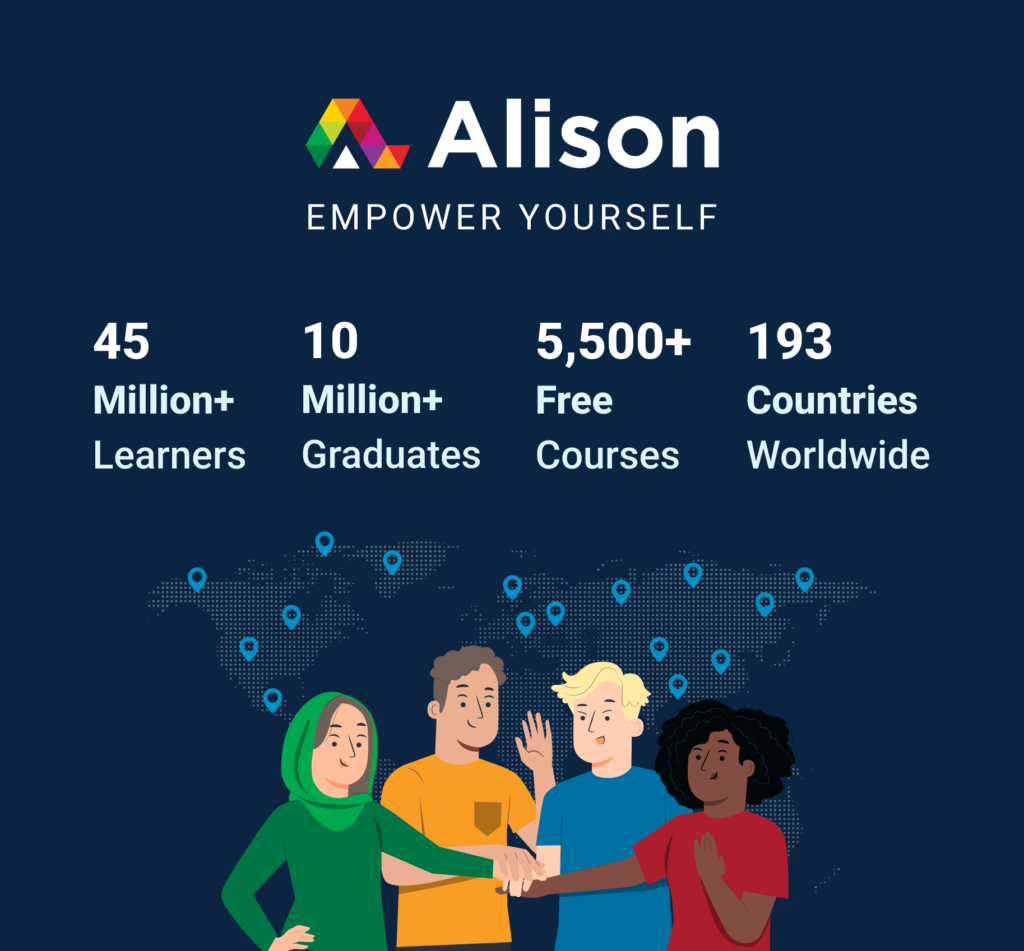
Alison is an online learning platform with a broad course catalogue and career tools. It can be a useful place to explore a learning need before committing to a more expensive path. The platform itself is not one curriculum, so the decision must eventually move from the catalogue to a specific course.
Start with something you want to do. You may want to clean a spreadsheet, understand a project plan, or build a simple web page. A task is easier to match with published outcomes than a broad ambition such as becoming better at technology or business.
Free study and optional documentation are different choices
Alison’s help centre states that course study and completion are free, with printed or digital certificates available as optional purchases. It also describes a free learner record for completed courses. Check current terms when enrolling or purchasing; this article does not establish a current checkout price.
That separation can make a small learning experiment practical. You can investigate whether the material helps before deciding if paid documentation serves a purpose. A certificate purchase should answer a real need, such as an intended recipient’s requirement, rather than being an automatic consequence of opening a course.
The platform also presents services such as career planning, psychometric tests, and resumé building. These have different purposes from courses. Check their current feature and account terms separately; do not assume a service includes a course syllabus, a universal duration, or the same certificate model.
Proposed practice: choose one task and two candidates
Write a specific learning question: “Can I turn a messy monthly table into a checked summary?” Find two relevant courses and compare the listed outcomes, level, and study estimate. Our suggested comparison exercise is independent editorial guidance, not a platform requirement.
For each candidate, identify the first topic that addresses your question and one important thing the outline does not settle. A shorter course may fit a focused gap; a longer course may include useful prerequisites. Neither wins simply because its title sounds stronger or its estimated time is greater.
Choose a small practice artifact before studying. For the spreadsheet example, create a fictional table and define a total you can check manually. This lets you observe whether the lessons help you do something, rather than using course completion as the only evidence of learning.
Levels and titles deserve separate attention
An ambitious title does not establish the level you need. Read the published level label and the actual outcomes together. A course called an introduction may still cover material that assumes background knowledge; a course called mastery may offer a compact overview. The particular page matters more than a platform-wide assumption.
If the level is unclear, identify what you would need to know to follow the topics. You can look for a smaller preliminary lesson or inspect the provider’s available outline. Keep uncertain prerequisites uncertain rather than treating a free course as automatically suitable for every beginner.
The same care applies to software courses. Your installation, device, account permissions, and feature availability can affect practice. Verify current software requirements with the relevant provider before expecting a demonstration to match your environment exactly.
Make progress visible outside the lesson player
After a study session, explain one idea in your own words and apply it to the practice artifact. For a project course, revise a scope statement. For design, change the hierarchy of a flyer. For coding, run a small program and explain what it does. The artifact should fit the subject.
Record one question that remains unanswered. That question can guide the next session or reveal that a different course is needed. Moving on is reasonable when you can identify the gap; collecting another broad course without naming the gap may simply restart the same introduction.
Do not describe a small practice result as job-ready proficiency. A course can be a useful learning step while professional competence requires wider practice, feedback, or formal qualifications. Check actual employer or licensing expectations where they matter to your intended use.
Open the catalogue with a bounded goal
The platform is a weaker fit when you need supervised instruction, detailed feedback, or a recognized qualification that a particular authority requires. Compare options that explicitly meet those conditions. Free access is attractive, but suitability still depends on the learning experience you need.
Choose a first course when its current outcomes match your task and its estimated study commitment fits your week. Reserve time for practice as well as lessons. A small completed exercise can help you decide whether to continue with the same provider or seek deeper instruction elsewhere.
Visit Alison with one question written down, inspect two candidates, and choose the next useful step voluntarily. You do not need to enroll in several courses to justify exploring the platform. One clearer skill decision is a valuable result in itself.
Source scope: we read the public Alison page on 5 October 2026 for platform course discovery and free-study terms. Logged-in delivery and results were not tested. The proposed exercise is CHEAPUNO editorial guidance, not verified provider coursework or evidence of learner outcomes.